About GAA
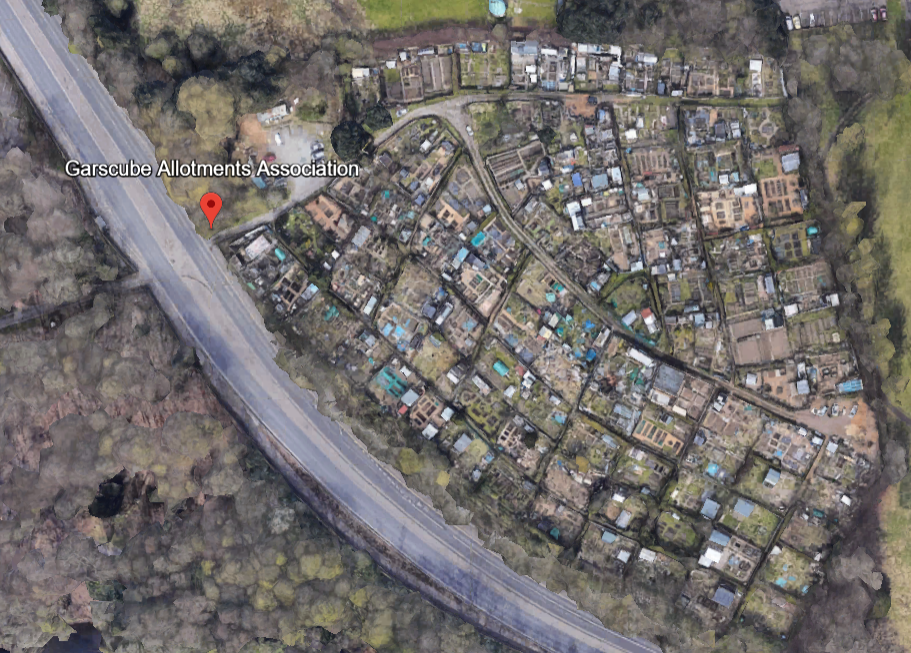
Garscube Allotments span approximately 3.5 acres of land, featuring a mix of flat and sloping plots. Our diverse community of plot holders reflects the rich cultural background of Glasgow, with some members tending their plots for over 30 years. Many plots include greenhouses, though the use of glass is discouraged in favor of plastic. Additionally, creative plotters have set up polytunnels—some purchased and others built using repurposed materials like old pallets and metal hoops. The ingenuity of our members in utilizing discarded materials is evident throughout our small haven.
We maintain a strong partnership with a trusted local tree surgeon who regularly supplies us with woodchip and log cuttings. These materials help suppress weeds and enrich the soil, while logs are also used for burning discarded weeds.
Our site also receives deliveries of bagged topsoil and manure (both horse and cow) to support soil health and crop growth.
At the entrance, we have a medium-sized car park, with an additional parking area at the top of the site. The main car park houses our site office, which is a converted shipping container, along with a separate storage container.
The allotments and community are managed by an elected committee of volunteer plot holders. They oversee essential site matters such as road maintenance, water supply, and neighborly concerns, while also organizing an annual skip service to help with waste disposal. The committee conducts regular plot inspections to ensure plots are actively maintained. With a waiting list of over 30 individuals eager for land to grow fruit and vegetables, these inspections are vital to ensuring fair and productive use of the space.
A short history
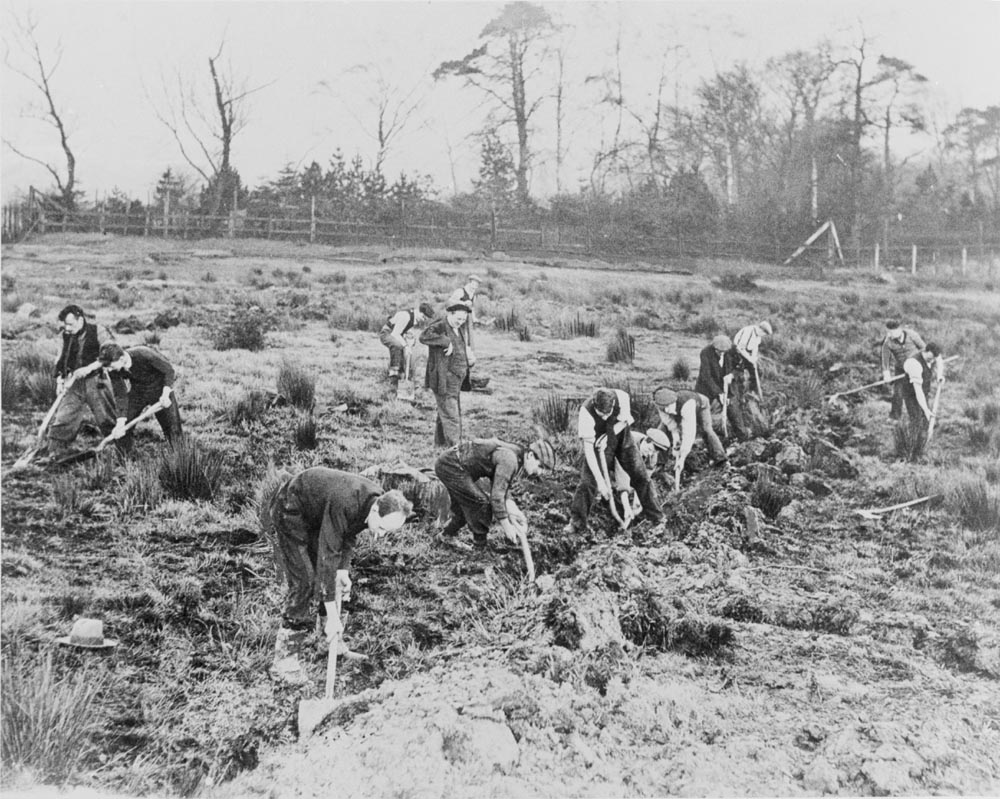
On January 10, 1933, allotments were established on the Garscube Estate to support the unemployed. The estate originally belonged to Sir Archibald Campbell (1852–1941).
During the Great Depression of the late 1920s and early 1930s, tens of thousands of Glaswegian men lost their jobs. While insured workers could claim unemployment benefits, the support was far from sufficient—by 1931, a man could receive only 15 shillings a week (75p), which was not enough to cover basic living expenses. By 1933, over 120,000 Glaswegians were relying on public assistance, and poverty-related diseases were on the rise.
Allotments provided a vital means for unemployed individuals to supplement their diets by growing their own vegetables, helping them save their limited cash for other necessities.
The University of Glasgow purchased the Garscube Estate in 1948.